BOBA DIY™: Tasty Tea Simulator
HIGAME GLOBALCasual
4.51.41K Reviews
- Version
- 0.32
- Installs
- 50.00M
- Age Rating
- Everyone
Screenshots
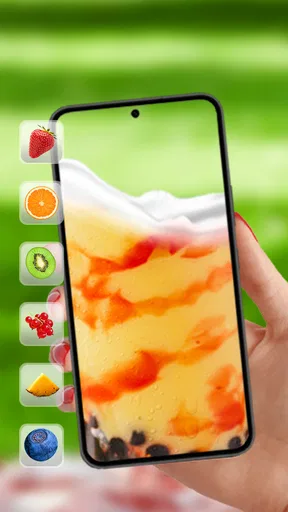


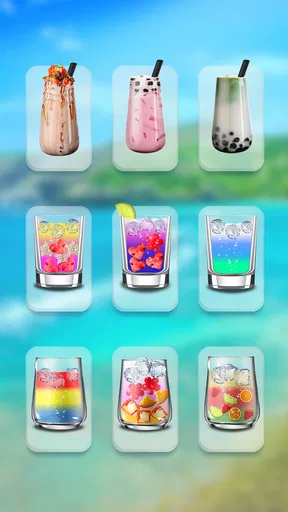

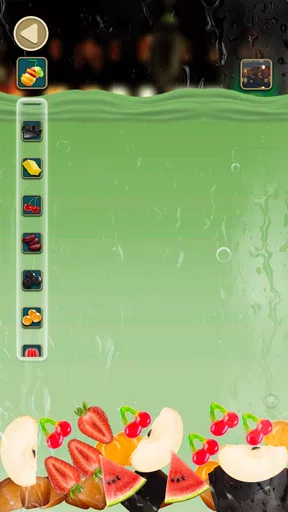
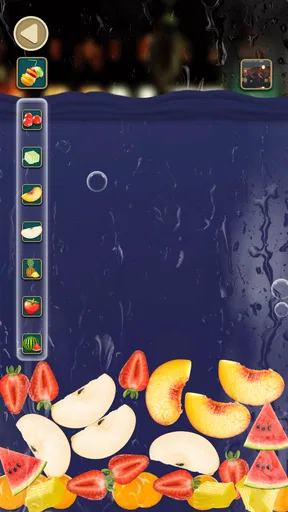
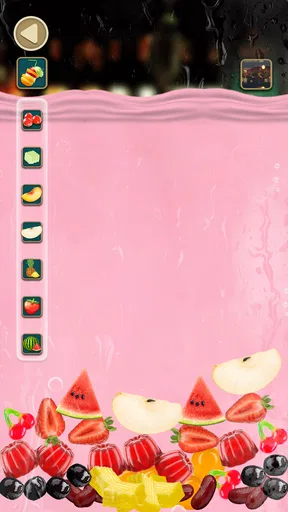
Our Review of BOBA DIY™: Tasty Tea Simulator
 Analysis by Appyee
I approached BOBA DIY™: Tasty Tea Simulator as a small, low-pressure game for moments when I wanted something playful without learning a complicated system. It is a casual Android game from HIGAME GLOBAL, built around choosing toppings and preparing colorful bubble tea-style drinks. That sounds simple, and it is, but the simplicity is also the point: the game asks for very little time, attention, or commitment.
My first decision was whether I wanted a quiet creative toy or a deeper management game. This title clearly belongs to the first group. It is free, rated for Everyone, and works on devices running Android 8.0 or later. The current version is 0.32, so I would treat it as a straightforward pick-up-and-play experience rather than a large simulation with layers of strategy.
What to consider before choosing it
The most important question is not whether you enjoy tea. It is whether you like making quick visual choices and seeing a drink come together. The central appeal comes from selecting toppings, arranging the cup, and enjoying the result. I found that more relaxing than demanding, especially when I had only a few spare minutes.
That makes it suitable for casual players, children who enjoy colorful interactions, and adults looking for a gentle distraction. The Everyone rating also makes it easier to consider as a family-friendly option, although younger players may still need the usual supervision around device use and in-app habits.
I would judge it using four practical criteria: how quickly it becomes enjoyable, whether the interaction feels satisfying, how much variety remains after the novelty fades, and whether it offers enough depth for someone who wants progression. On the first two points, it makes a good impression. On the last two, expectations matter more.
The game has attracted a substantial audience, with over 50 million installs and an average rating of 4.5 from around 270 thousand ratings. Those figures suggest that its uncomplicated format has broad appeal, but they should not be mistaken for proof that it suits every type of player. A popular casual game can still feel too light for someone looking for goals, competition, or a long-term challenge.
The first few sessions
What I like about the opening experience is that it does not require a long explanation. The basic idea is immediately readable: choose elements for a drink, make it look appealing, and enjoy the finished cup. I never felt that I needed to study a tutorial or memorize a complicated set of rules before having fun.
That low entry barrier is especially useful when sharing the game with a friend or a child. One person can suggest a flavor or topping combination while the other handles the choices. It becomes a tiny collaborative activity rather than a solitary test of skill. The store summary mentions having fun with friends, and that description fits the way I would actually use it: as a quick conversation starter or a playful turn-taking activity.
A realistic everyday scenario would be waiting for a bus, taking a short break between tasks, or sitting with a child while dinner is being prepared. In those situations, I do not necessarily want a game that punishes me for stopping. This one is better suited to fragmented attention than an action game or a story-driven adventure that expects me to remember what was happening.
Where the drink-making idea works best
The strongest part of the experience is the visual decision-making. Each choice contributes to the appearance of the final drink, so even a simple combination can feel personal. I enjoyed trying to make a cup look balanced instead of selecting items completely at random. That small act of arranging and judging is where the game feels more like a creative toy than a conventional challenge.
One useful approach is to give yourself a theme before starting. I might aim for a bright, dessert-like cup, a restrained combination with fewer decorations, or a deliberately strange mixture. This turns a short session into a tiny design exercise and helps prevent the interaction from becoming automatic too quickly.
Another tip is to pause before adding the final topping. The last choice often changes the overall impression of the drink, so treating it as a finishing decision makes the process feel more deliberate. It is a minor habit, but it gives the simple loop a little more personality and makes the result easier to compare with earlier attempts.
I also found that the game works better when I do not rush to repeat the same choices. The pleasure comes from noticing how different combinations look together, not from trying to optimize a score or finish as quickly as possible. Players who enjoy visual experimentation will probably get more from it than players who want a clear win condition.
Small details that improve the experience
The game is most enjoyable when used as a short creative break rather than a main gaming destination. I would open it with a specific intention: make one unusual drink, create a combination that looks convincing, or let someone else choose the toppings. That simple structure prevents the session from feeling aimless.
For children, I would turn the choices into a harmless storytelling exercise. They can invent a name for the drink, decide who would order it, or describe why a particular topping belongs in the cup. This adds imagination without requiring the game itself to provide a complicated narrative. It is a practical way to get more value from a very compact concept.
For adults, the best use is probably decompression. The repetitive rhythm can be pleasant after work or during a pause from more demanding apps. I would not call it a mindfulness tool, but it can provide a similar sense of briefly focusing on a small, colorful task without needing to perform at a high level.
A third useful insight is to treat the finished drink as a prompt for comparison rather than a final achievement. If I make two contrasting cups, I can decide which one looks more coherent and why. That turns the game into a basic exercise in color and composition. It is not a substitute for a dedicated design app, but it gives the casual format a little more staying power.
Where it wins against familiar casual alternatives
Compared with match-three games, this is less demanding and less competitive. There is no need to scan a crowded board for the best move or react to a timer. If I want a game that lets me slow down, BOBA DIY™ has the advantage. It also avoids the mental pressure that can come from losing a carefully built streak.
Compared with endless runners, it offers almost no reflex challenge, which is both its strength and its weakness. I can play it when my attention is divided, but I will not get the adrenaline or sense of mastery that comes from improving a difficult run. Players who enjoy fast movement and precise timing should choose a different category.
Compared with cooking-management games, its appeal is narrower but more immediate. Management titles usually ask me to balance orders, resources, upgrades, or time. This game is easier to understand because it focuses on the drink itself. The trade-off is that it may not provide the same long-term structure for someone who enjoys building a business or solving increasingly complex service problems.
Compared with digital coloring or decorating apps, it offers a more specific theme. That focus can make the experience feel charming rather than overwhelming, but it also limits the kinds of creativity available. Someone who wants rooms, characters, outfits, or broad freeform drawing will probably find a dedicated creative app more satisfying.
Who may prefer another kind of game
I would not recommend this as a primary game for players who need measurable progression. If your favorite part of a casual title is unlocking systems, improving a personal best, completing missions, or competing with others, the drink-making loop may feel too light. It is better understood as a compact activity than as a substantial campaign.
It may also disappoint players who expect realistic beverage preparation. The title uses the idea of making boba drinks as a playful theme, not as a detailed lesson in recipes or café technique. If you want accurate proportions, brewing guidance, or a serious restaurant simulation, you should look elsewhere.
There is a similar trade-off for people who dislike repetition. The first sessions benefit from the novelty of combining toppings, but a simple loop naturally depends on the player enjoying variations on the same action. If visual experimentation does not hold your attention, the game will not create depth by itself.
Players who prefer offline-friendly certainty, highly detailed settings, or extensive accessibility controls should also examine the app’s behavior on their own device before committing time to it. I would keep expectations practical: this is a focused casual game, not a feature-heavy platform meant to replace several other types of entertainment.
Free to start and the cost of switching
The game is free, which removes the biggest barrier to trying it. I can install it without deciding whether a purchase is justified, test the basic loop, and remove it if the style does not suit me. That is important for a small casual title because personal taste matters more than a long feature checklist.
The real cost of switching is not money; it is attention. Moving from a relaxing drink-making game to a more structured alternative means accepting more rules, more goals, or more pressure. A café-management game may offer stronger progression but demand longer sessions. A puzzle game may provide clearer challenge but require more concentration. A creative sandbox may offer more freedom but take longer to learn.
My advice is to give this one a short, intentional trial rather than leaving it open indefinitely. Make several different drinks, try the experience with another person, and notice whether the visual choices remain enjoyable after the first novelty. If they do, the free format makes it easy to keep as a break-time game. If they do not, switching to a puzzle, decorating, or management title will probably be more rewarding.
It is also worth remembering that the app has a large footprint in the casual market, with around 1.4 thousand written reviews alongside its much larger rating total. I see that as evidence of active interest, not a guarantee of deep discussion or continuous variety. The sensible decision is still based on whether the central interaction matches your habits.
Device fit and practical expectations
Android 8.0 support gives it a reasonably broad starting point for compatible phones and tablets. I would still install it on the device where I actually plan to play, because the quality of a casual experience depends on comfortable touch controls, readable visuals, and how quickly I can enter and leave a session.
The current version, 0.32, is another reason I would approach it as a focused experience. Version numbers alone do not tell me how much content is available, so I would avoid assuming that a later update automatically means a larger or deeper game. What matters in practice is whether the existing loop gives me enough variety for the way I intend to use it.
Because the game is aimed at Everyone, it is a sensible candidate for a shared family device or a child’s supervised playtime. I would nevertheless explain that “family-friendly” does not mean every child will enjoy it equally. Some will love the colors and choices; others will quickly ask for goals, characters, or a story that this format is not designed to provide.
My recommendation
I recommend BOBA DIY™: Tasty Tea Simulator to anyone who wants a free, gentle, visually focused game for short sessions. Its best qualities are immediate accessibility, a friendly theme, and the freedom to experiment without the pressure found in many other casual games. I especially see it working for quick breaks, shared play with a friend, or a simple activity with a child.
I would skip it if you are searching for a serious simulator, a competitive challenge, a rich progression system, or a game with enough complexity to occupy long sessions every day. In those cases, a management game, puzzle title, or broader creative app will fit better. The choice is not about whether this game is “good” in the abstract; it is about whether a small drink-design loop is the kind of entertainment you want.
My final view is positive but measured. The game succeeds because it does not pretend to be more complicated than it is. I can open it, make a colorful drink, share the result, and leave without feeling that I have started a major commitment. For that specific purpose, it is an appealing casual pick from HIGAME GLOBAL and an easy recommendation to try, particularly since it costs nothing to begin.
- Best fit: short relaxing sessions, visual experimentation, family-friendly play, and casual sharing with friends.
- Think twice if: you need competition, deep progression, realistic café management, or a demanding skill challenge.
- My practical tip: create themed drinks and compare the finished combinations instead of repeating the same topping choices.
Verdict
Strengths of BOBA DIY™: Tasty Tea Simulator
- Creative drink-making gameplay with plenty of tea and topping combinations.
- Simple tap-and-drag controls are easy for children and casual players.
- Bright visuals and satisfying mixing animations make recipes enjoyable.
- Relaxing pace offers a low-pressure experience for short play sessions.
- Fun customization encourages experimentation with unusual drink creations.
Limitations of BOBA DIY™: Tasty Tea Simulator
- Gameplay can become repetitive once most ingredients and recipes feel familiar.
- Frequent ads may interrupt play, especially between completed drink orders.
- Some ingredients or customization options may require in-app purchases.
- Limited challenge may not satisfy players looking for strategic gameplay.
- The app may use noticeable storage and battery during longer sessions.
Other Releases by HIGAME GLOBAL
View All
Idol Prank Video Call & Chat
Casual3.8

Monster DIY: Mix Beats
Music4.5

Keyboard Obby: ASMR Speed Run
Casual4.6

Paint & Hide: Color Guys
Casual3.1
Similar Picks in This Category
View All
My Talking Angela
Outfit7 Limited4.2

My Talking Tom
Outfit7 Limited4.3

Pou
Zakeh4.2

My Talking Tom 2: Pet Game
Outfit7 Limited4.3

Candy Crush Saga
King4.6

Bridge Race
Supersonic Studios LTD4.1
Frequently Asked Questions
What is BOBA DIY™: Tasty Tea Simulator?
BOBA DIY™: Tasty Tea Simulator is a casual drink-making game focused on preparing colorful bubble tea creations. You choose ingredients, mix tea, add milk, syrups, toppings, ice, and boba pearls, then serve the finished drink. Its simple controls and playful presentation make it suitable for short, relaxing play sessions rather than a complex management or strategy experience.
How do you play BOBA DIY™: Tasty Tea Simulator?
Gameplay is based on tapping, dragging, and following simple preparation steps. You usually select a cup, pour the main ingredients, adjust the flavor with different additions, and finish the drink with toppings or decorations. The game is designed to be easy to understand, so new players can begin immediately without a lengthy tutorial or advanced gaming experience.
Is BOBA DIY™: Tasty Tea Simulator free to download?
The game can generally be downloaded without an upfront purchase, although availability, pricing, and included features may vary between Android and iOS. Like many casual mobile games, it may contain advertising, optional purchases, or both. Before downloading, it is worth checking the store listing for current in-app purchase details and reviewing the permissions requested by the application.
Is BOBA DIY™: Tasty Tea Simulator suitable for children?
BOBA DIY™: Tasty Tea Simulator uses colorful visuals, straightforward interactions, and non-violent drink-preparation gameplay, which can make it appealing to children and younger players. However, parents should still check the age rating and supervise store purchases or advertisements. The presence of optional purchases, external links, or personalized ads can depend on the device and regional version.
Does BOBA DIY™: Tasty Tea Simulator require an internet connection?
The basic drink-making activities may be playable without a constant internet connection, but some features can depend on connectivity. Advertisements, analytics, updates, rewards, and certain online content may not function when the device is offline. If you plan to play while traveling, test the game in airplane mode first, since offline availability can change after updates or differ between platforms.
Play our best games!


